
Ivermectin for Dogs
Ivermectin
The short answer
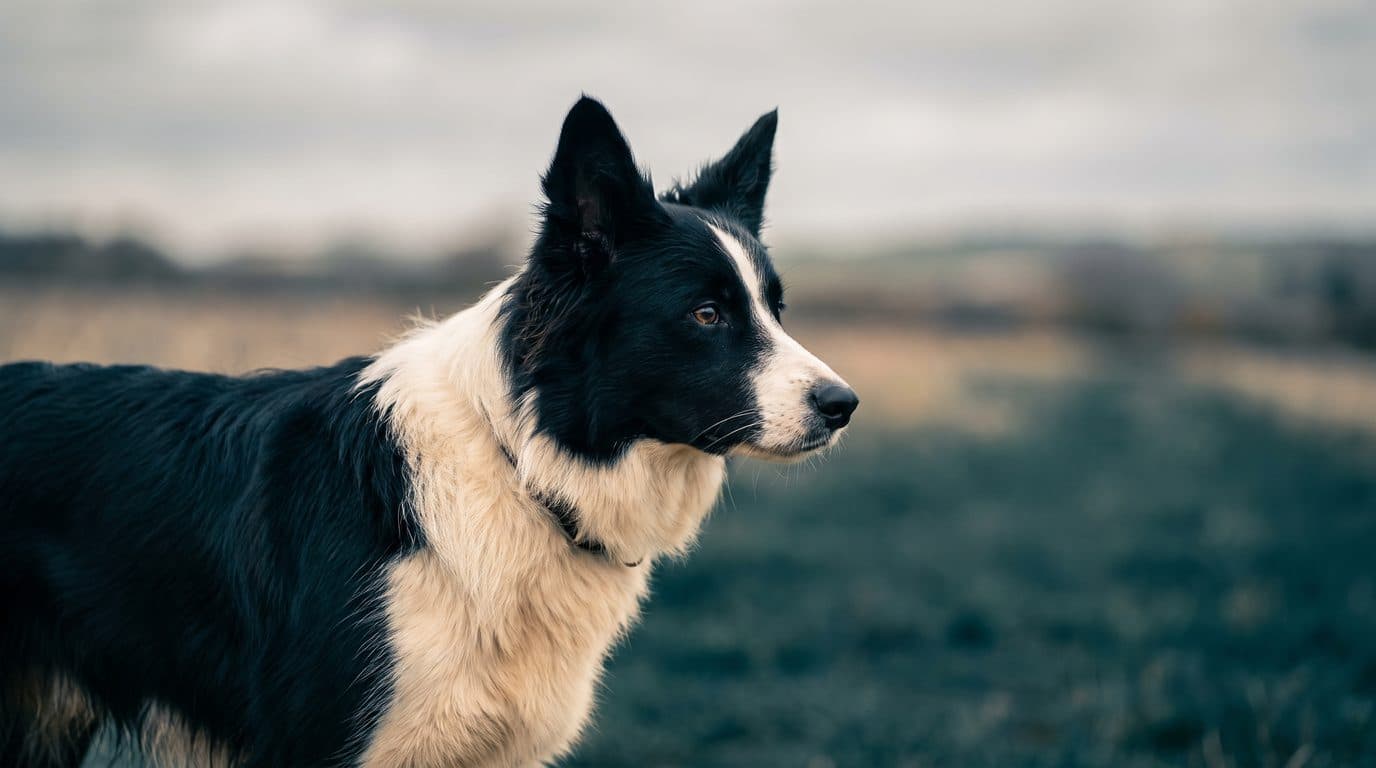
Ivermectin's safety in dogs splits cleanly along one genetic line. In dogs without the MDR1 mutation it has decades of use as a heartworm preventive and is generally well tolerated — but that record belongs to the preventive dose of roughly 0.006 mg/kg, and the investigational oncology figures discussed here are fifty to a hundred times higher with no canine dose-finding study behind them. In dogs carrying the MDR1 (ABCB1) mutation it cannot be cleared from the brain, and at those doses the resulting neurotoxicity can be fatal. Collies, Australian Shepherds, Shelties, Old English Sheepdogs, Border Collies and herding mixes are the high-risk populations. The cheek-swab test is inexpensive and must precede the first dose.
What it is and how it is thought to work
Ivermectin has been given to dogs as a heartworm preventive for decades, and the discovery of the avermectins earned a Nobel Prize. Separate research has investigated it in cancer models, where it is reported to interfere with several signalling pathways cells use to survive and proliferate. One published study used canine mammary tumour cell lines specifically, making it the most directly relevant canine evidence of any oncology compound here — though its tumours were grown in mice, so no dog was actually dosed. It also carries the single most important breed-specific warning on this site.
Mechanism in clinical terms
Investigated for modulation of Wnt/beta-catenin signalling through interference with beta-catenin nuclear translocation, suppression of Akt/mTOR survival signalling, and PAK1 kinase inhibition. Also studied for autophagy induction, cancer stem cell targeting, and multidrug resistance reversal. A published study in canine mammary tumour cell lines reported dose- and time-dependent growth inhibition with G1-phase arrest via downregulation of CDK4 and cyclin D1, reduced beta-catenin nuclear translocation, and suppressed tumour growth in xenografts grown in mice — with no significant induction of apoptosis.
Canine dosing by weight class
Figures below are reported as they appear in the source literature. They are not recommendations, and dosing for an individual dog must be set by a veterinarian.
Small / toy breed
under 22 lb (10 kg)
- Reported dose
- 0.3-0.6 mg/kg per day
- Frequency
- Daily, or five days on / two days off
- Duration
- 4-12+ weeks
- Studied for
- Investigational oncology adjunct — MDR1 testing required first
Medium breed
22–77 lb (10–35 kg)
- Reported dose
- 0.3-0.6 mg/kg per day
- Frequency
- Daily, or five days on / two days off
- Duration
- 4-12+ weeks
- Studied for
- Investigational oncology adjunct — MDR1 testing required first
Large / giant breed
over 77 lb (35 kg)
- Reported dose
- 0.3-0.6 mg/kg per day
- Frequency
- Daily, or five days on / two days off
- Duration
- 4-12+ weeks
- Studied for
- Investigational oncology adjunct — MDR1 testing required first
Need a figure for a specific weight? Use the dose calculator, or see the weight-specific pages: small / toy breed, medium breed, large / giant breed.
Contraindications and warnings
Read these before anything else on the page.
⚠ No canine dose-finding study supports this dose range
The 0.3–0.6 mg/kg figure circulates widely in owner protocols and is reproduced here because readers will encounter it elsewhere. It is not established by any canine study. The published canine work tested ivermectin on mammary tumour cells in culture and grew its xenografts in mice, so it establishes a mechanism rather than a dose a dog was shown to tolerate. For scale, canine heartworm prevention uses roughly 0.006 mg/kg — this range is fifty to a hundred times that. Treat it as a description of what people do, not as a validated dose, and set any actual dose with a veterinary oncologist.
⚠ MDR1 gene mutation — testing is mandatory
Dogs carrying the MDR1 (ABCB1) mutation cannot clear ivermectin from the brain and suffer neurotoxicity at doses other dogs tolerate. At the investigational oncology doses discussed here, that reaction can be fatal. Affected breeds include Collies, Australian Shepherds, Shetland Sheepdogs, Old English Sheepdogs, Border Collies, Long-haired Whippets, and any mixed breed with herding ancestry. The test is a simple cheek swab available through Washington State University and commercial laboratories. It must be done before the first dose.
Neurological signs require immediate attention
Unsteadiness, dilated pupils, excessive drooling, disorientation, tremors, or blindness indicate ivermectin toxicity. Stop dosing and seek emergency veterinary care.
Example research protocol
A representative timeline drawn from the published literature, showing what is monitored and when. Any actual protocol should be set by the veterinarian managing the case.
- 1Week 1MDR1 testing, then conservative start
What owners observe
The MDR1 genetic test comes before the first dose, not after. Start at 0.3 mg/kg orally with food. Watch for unsteadiness, dilated pupils, drooling, or tremors and report them immediately — these are neurological signs.
Clinical monitoring
Baseline CBC and liver panel. MDR1 mutation testing is mandatory in susceptible breeds before initiating. Begin at 0.3 mg/kg/day orally.
- 2Weeks 2-4Titrate and monitor
What owners observe
If well tolerated the dose may increase toward 0.6 mg/kg. Appetite, energy, and behaviour should stay normal. Ivermectin is highly lipophilic, so giving it with a fatty meal improves absorption.
Clinical monitoring
The canine mammary tumour study reported dose- and time-dependent growth inhibition with G1 arrest and reduced beta-catenin nuclear translocation, and no significant apoptosis induction. Repeat CBC and liver panel at week 2. Tumour assessment at week 4.
- 3Weeks 4-12+Long-term adjunct
What owners observe
Ivermectin is generally well tolerated long term in non-MDR1 dogs. Assess quality of life weekly.
Clinical monitoring
Monthly monitoring. Do not exceed 0.6 mg/kg/day in this context. Investigated for multidrug resistance reversal, which may be relevant alongside conventional chemotherapy.
What Ivermectin is investigated for
How it compares
- Fenbendazole vs Ivermectin for dogs — how Ivermectin differs from Fenbendazole
Common questions
Is Ivermectin safe for dogs?+
Ivermectin's safety in dogs splits cleanly along one genetic line. In dogs without the MDR1 mutation it has decades of use as a heartworm preventive and is generally well tolerated — but that record belongs to the preventive dose of roughly 0.006 mg/kg, and the investigational oncology figures discussed here are fifty to a hundred times higher with no canine dose-finding study behind them. In dogs carrying the MDR1 (ABCB1) mutation it cannot be cleared from the brain, and at those doses the resulting neurotoxicity can be fatal. Collies, Australian Shepherds, Shelties, Old English Sheepdogs, Border Collies and herding mixes are the high-risk populations. The cheek-swab test is inexpensive and must precede the first dose.
How much Ivermectin should I give my dog?+
Reported doses vary by weight class. Small / toy breed (under 22 lb (10 kg)): 0.3-0.6 mg/kg per day, daily, or five days on / two days off. Medium breed (22–77 lb (10–35 kg)): 0.3-0.6 mg/kg per day, daily, or five days on / two days off. Large / giant breed (over 77 lb (35 kg)): 0.3-0.6 mg/kg per day, daily, or five days on / two days off. These figures are reported as they appear in the source literature and are not recommendations — dosing for an individual dog must be set by a veterinarian who has examined the animal.
How is Ivermectin given to dogs?+
Ivermectin is administered by oral administration. See the injection guide and reconstitution guide for handling detail.
What is the evidence for Ivermectin in dogs?+
Ivermectin is graded as emerging evidence on this site, drawing on 5 cited studies. Ivermectin has been given to dogs as a heartworm preventive for decades, and the discovery of the avermectins earned a Nobel Prize. Separate research has investigated it in cancer models, where it is reported to interfere with several signalling pathways cells use to survive and proliferate. One published study used canine mammary tumour cell lines specifically, making it the most directly relevant canine evidence of any oncology compound here — though its tumours were grown in mice, so no dog was actually dosed. It also carries the single most important breed-specific warning on this site.
References
- 1.CANINE STUDYDiao H, Cheng N, Zhao Y, et al. Ivermectin inhibits canine mammary tumor growth by regulating cell cycle progression and WNT signaling. BMC Veterinary Research, 2019. PMID 31375107
- 2.Juarez M, Schcolnik-Cabrera A, Dueñas-Gonzalez A The multitargeted drug ivermectin: from an antiparasitic agent to a repositioned cancer drug. American Journal of Cancer Research, 2018. PMID 29511601
- 3.Juarez M, Schcolnik-Cabrera A, Dominguez-Gomez G, et al. Antitumor effects of ivermectin at clinically feasible concentrations support its clinical development as a repositioned cancer drug. Cancer Chemotherapy and Pharmacology, 2020. PMID 32474842
- 4.Tang M, Hu X, Wang Y, et al. Ivermectin, a potential anticancer drug derived from an antiparasitic drug. Pharmacological Research, 2021. PMID 32971268
- 5.Morinaga S, Han Q, Mizuta K, et al. Ivermectin Combined With Recombinant Methioninase (rMETase) Synergistically Eradicates MiaPaCa-2 Pancreatic Cancer Cells. Anticancer Research, 2025. PMID 39740811
Educational information — not veterinary medical advice
Everything on this page is compiled from published peer-reviewed literature for educational and research purposes. It does not establish a veterinarian-client-patient relationship (VCPR) and is not a substitute for veterinary examination and diagnosis. Most compounds described here are investigational or used off-label and are not FDA-approved for these purposes in dogs. Extralabel drug use in animals requires a valid VCPR and the direct supervision of a licensed veterinarian under AMDUCA (21 U.S.C. §360b). Dosing figures are reported as they appear in the source literature and are not recommendations.